Concorde: Supersonic Icon and a Scale Modelling Challenge!
The Supersonic Dream Reimagined in Scale
There are few aircraft as iconic — or as controversial — as the Concorde. With its sleek, needle-nosed profile, revolutionary speed, and rich Anglo-French engineering heritage, Concorde is a triumph of aviation ambition. But for civilian aircraft scale modelers, this legendary aircraft also represents a unique challenge — and a rewarding centerpiece build.
At Scale Modelling Now, we created a feature scale model build of the Airfix 1:72 Concorde, a bold kit that captures the majesty of this supersonic jetliner. In this article, we’ll journey through Concorde’s remarkable history, examine why it remains a favourite subject among aviation enthusiasts, and highlight what makes the Airfix BAC/Aérospatiale Concorde kit a must-try project for both seasoned and aspiring modelers.
VIEW our Airfix 1:72 Concorde scale model build review
The review is FREE for everyone to access – you can access all of our 1000s of build articles for just £18.00 per year!
If you’re passionate about aviation history, technical detail, or building iconic aircraft, keep reading — and don’t miss the build gallery and review at the end of this feature.
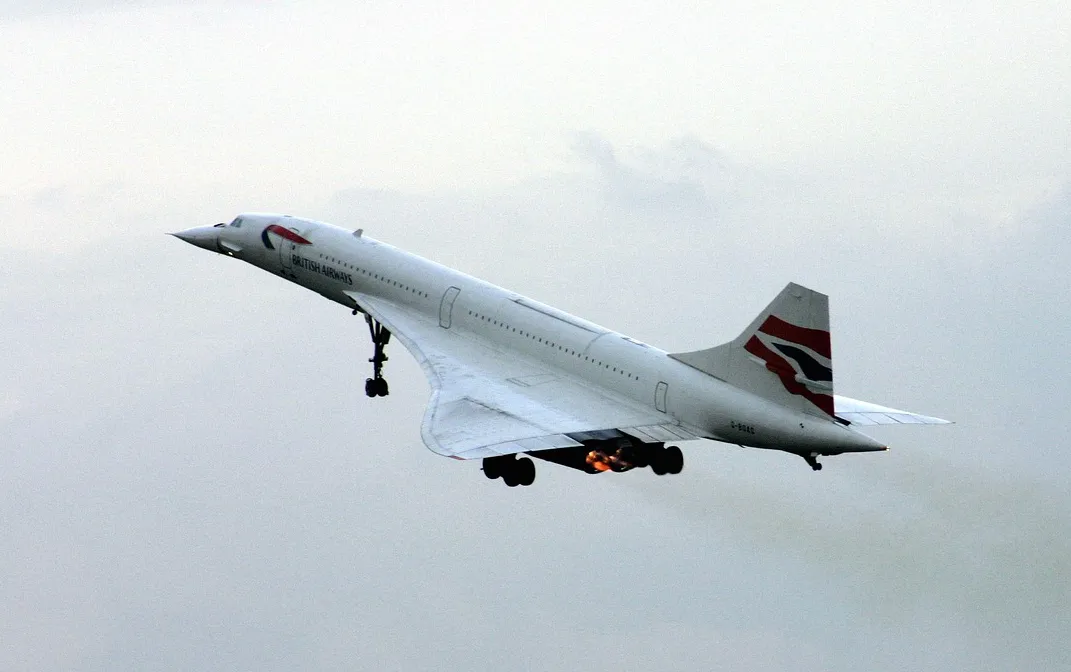
The Origins of Concorde: A Dream Born of Competition
In the mid-20th century, speed was everything. As jet technology advanced, dreams of supersonic passenger travel took shape. In 1956, the British Ministry of Supply began exploring supersonic transport concepts. Meanwhile, France’s Sud Aviation pursued similar research.
Rather than race separately, an Anglo-French agreement was signed in 1962, combining the strengths of British Aircraft Corporation (BAC) and Aérospatiale. The result? Concorde: the world’s first (and so far, only) successful supersonic passenger jetliner.
With revolutionary delta wings, droop-nose technology, and afterburning Rolls-Royce/Snecma Olympus 593 engines, Concorde was designed to cruise at Mach 2.04 (around 1,354 mph). It could fly at 60,000 feet, above the weather and over twice the speed of sound — a journey that turned the Atlantic into a quick hop.
First Flights and a Supersonic Future
The prototype Concorde 001 made its maiden flight from Toulouse on March 2, 1969. The UK-built 002 followed weeks later, and together they amazed crowds at the Paris and Farnborough Airshows.
Despite early excitement, Concorde faced political hurdles and environmental opposition. Only two airlines — British Airways and Air France — eventually took delivery, receiving their first production models in 1976.
On September 26, 1973, Concorde completed her first transatlantic flight without stopping. In a record-breaking three hours and thirty-three minutes, the French model flew from Washington, USA to Orly, Paris, averaging 954 mph.
On January 21, 1976, the first commercial Concorde flights took off. Air France flew from Paris to Rio de Janeiro (via Dakar), while British Airways connected London and Bahrain. But it was the London–New York and Paris–New York routes that became iconic — cutting journey times from 7 hours to under 3.5.
Technical Marvel: What Made Concorde Unique?
Concorde’s innovation was staggering:
- Aerodynamics: Its slender fuselage and ogee delta wings minimized drag at supersonic speeds.
- Droop Nose: Lowered for better pilot visibility during takeoff and landing, then raised during flight.
- Afterburners: Provided the thrust needed to reach supersonic speeds—a rarity in commercial jets.
- Fly-by-wire Controls: Among the earliest commercial uses of this now-standard technology.
For scale modelers, these elements pose intricate challenges. The contours, the flush seams, and the smooth finish—all demand attention to detail.
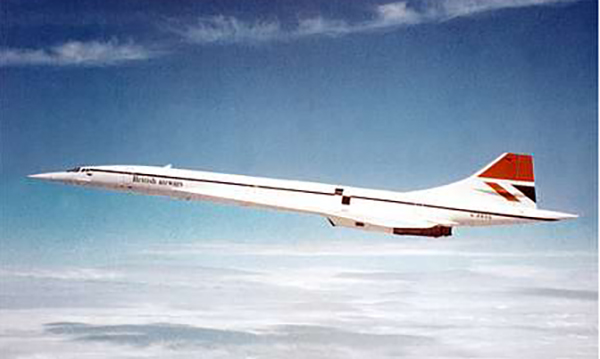
The 1973 Solar Eclipse Mission: A Flying Observatory
One of Concorde’s most extraordinary missions was in June 1973, when it was used as a flying observatory for a total solar eclipse over Africa. Concorde 001 chased the eclipse’s shadow for 74 minutes — a feat no other aircraft could match.
For aviation historians and modelers alike, the Eclipse Flight represents Concorde’s extraordinary capabilities not just in speed but in scientific exploration.
The Beginning of the End: Tragedy and Retirement
Concorde’s legacy was tarnished on July 25, 2000, when Air France Flight 4590 crashed after takeoff from Paris, killing all 113 onboard. Investigations revealed a chain reaction caused by debris on the runway. Though not a design flaw, the crash devastated public trust.
Combined with rising fuel costs, post-9/11 air travel decline, and mounting maintenance bills, both British Airways and Air France retired their Concordes in 2003. The final flights were emotional affairs, with thousands watching as the last great supersonic liner disappeared into the clouds.
Where Is Concorde Now?
Though it no longer flies, Concorde’s legacy endures:
- Brooklands Museum, Duxford, Manchester, and Filton (UK) all house Concorde exhibits.
- In the US, Intrepid Museum in New York is returning its Concorde exhibit.
- Le Bourget Museum in Paris hosts the French prototype.
For modelers, these displays offer invaluable references for detailing and paint schemes — especially for the British Airways Chatham Dockyard livery seen in the Airfix kit.
Concorde in Scale: The Appeal of the Build
Civilian aircraft scale modelers love it for:
- Engineering complexity: Capturing that droop-nose and delta wing in plastic.
- Nostalgia: Many grew up seeing Concorde in the skies or visiting museum exhibits.
- Display impact: At 1:72 scale, it’s an attention-grabbing centerpiece.
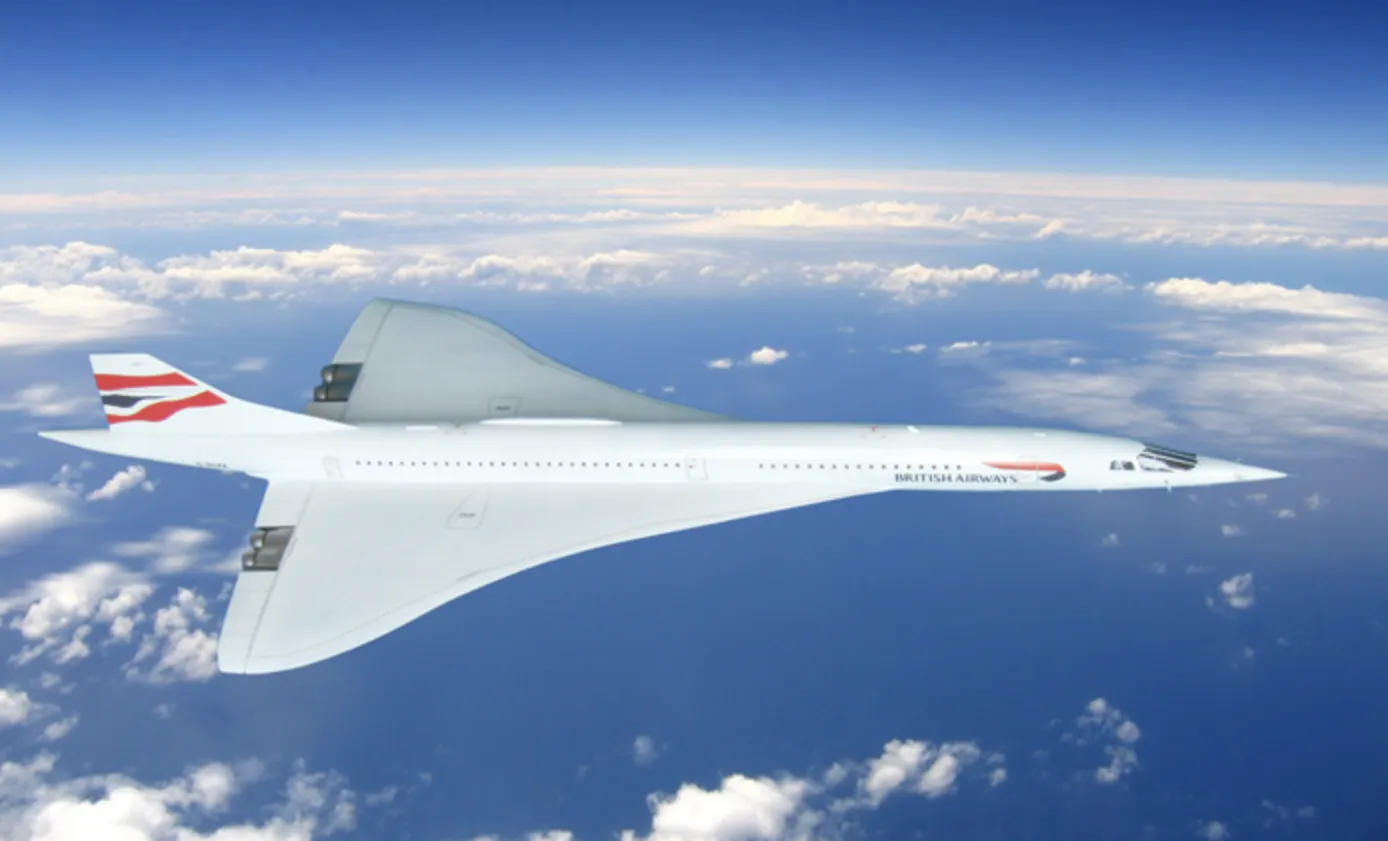
1:72 scale model build of BAC/Aérospatiale Concorde
Kit Spotlight: Airfix 1:72 Concorde Review
Pros:
- Impressive detail: Especially in the undercarriage and engine nacelles.
- Decals: British Airways Chatham Dockyard livery looks fantastic.
- Display stand: Perfect for in-flight posing.
Challenges:
- Fit issues: Especially along the fuselage join. Expect to sand, fill, and repeat.
- Warping: Large plastic sections may require careful dry-fitting and reinforcement.
- Weight: Finished model is heavy—reinforced stands are a must.
Yet despite these challenges, the finished result is stunning — a genuine tribute to the majesty of Concorde. Our build photos speak for themselves.
VIEW our Airfix 1:72 Concorde scale model build review
The review is FREE for everyone to access – you can access all of our 1000s of build articles for just £18.00 per year!
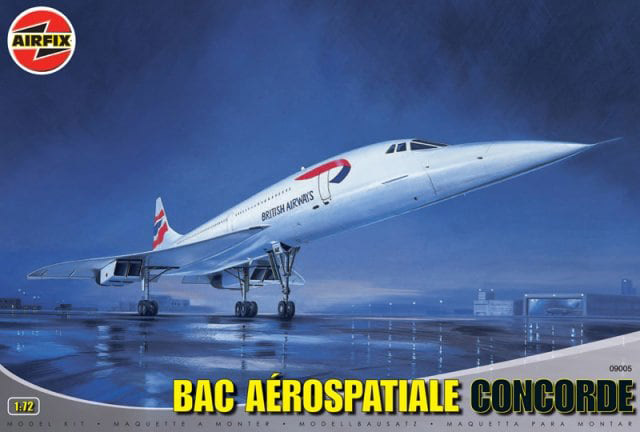
Scale Modelling Tips: Making the Most of Your Concorde Build
If you’re considering building the Airfix Concorde (or any Concorde kit), keep these tips in mind:
- Dry fit everything: Especially the fuselage halves. Eliminate gaps before committing to glue.
- Strengthen internal joins: Use plasticard or rods to prevent warping.
- Consider lighting: LED strips can add a subtle wow factor to cockpit or cabin windows.
- Weathering: Subtle panel line washes and heat streaks near the engines can add realism—though Concorde was typically kept immaculate.
And don’t forget — Scale Modelling Now subscribers get access to video walkthroughs, photo step-by-steps, and expert Q&A to guide you through every stage of your scale mdoel builds.
Conclusion: Keeping the Concorde Legend Alive
Concorde was more than just an aircraft — it was a symbol of possibility. In an age where speed often comes at the expense of elegance, Concorde married both. And while the aircraft may no longer fly, through scale modeling, it continues to soar.
The Airfix 1:72 Concorde is one of the best ways to reconnect with that legacy. Yes, it’s challenging — but it’s also deeply satisfying. Every sanding pass, decal placement, and gloss coat is a tribute to one of aviation’s greatest achievements.
Ready to Build Concorde?
If Concorde has always captured your imagination, there’s no better time to bring it to life.
VIEW our Airfix 1:72 Concorde scale model build review
👉 SUBSCRIBE NOW FOR ONLY £18 per year to access detailed build tutorials, tips, and exclusive walkthroughs.
👉 Join our community and share your own Concorde build journey—we’d love to feature your work.