Back | Page 1 | 2 | 3 | 4 | 5 | 6 | 7 | 8 | 9 | 10 |11 | 12 | 13 | 14 | 15 | 16 | 17
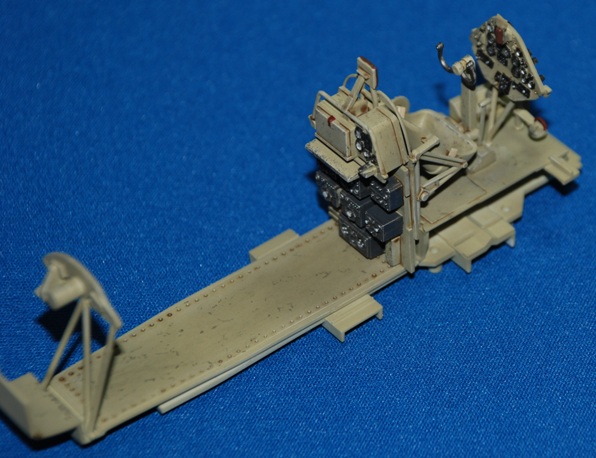
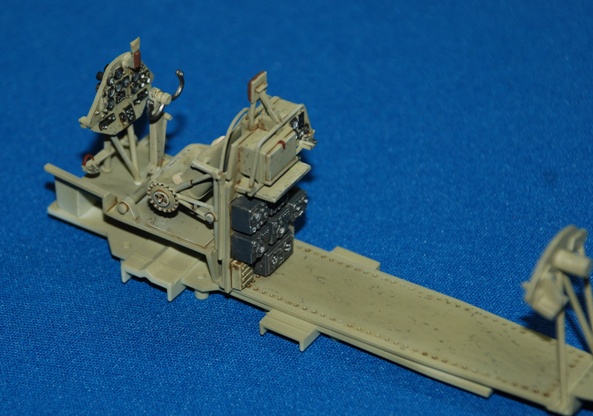
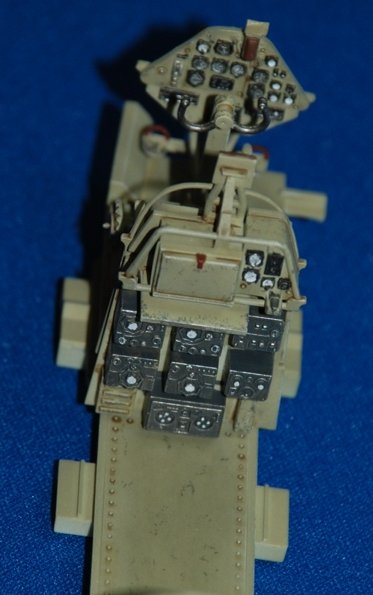
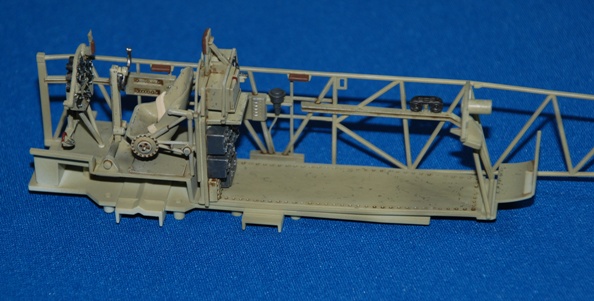
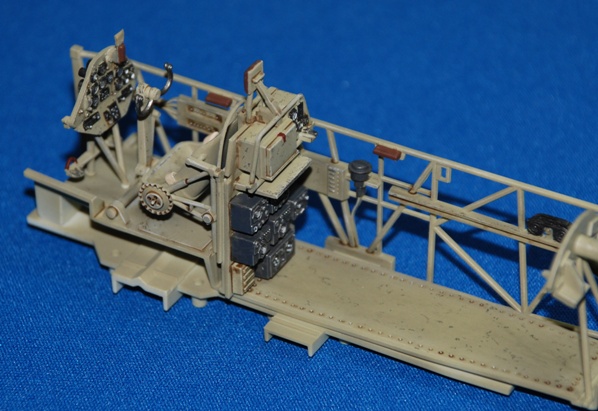
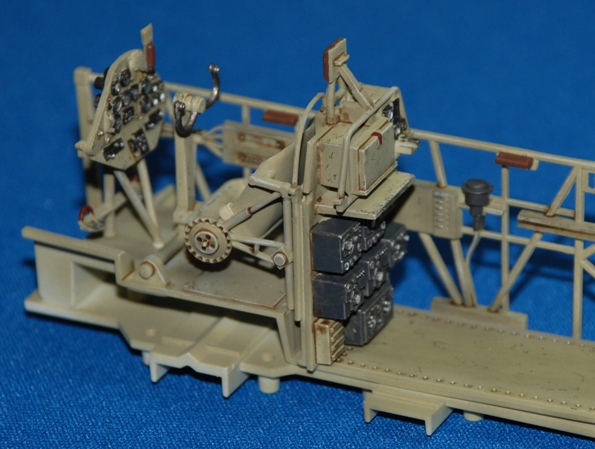
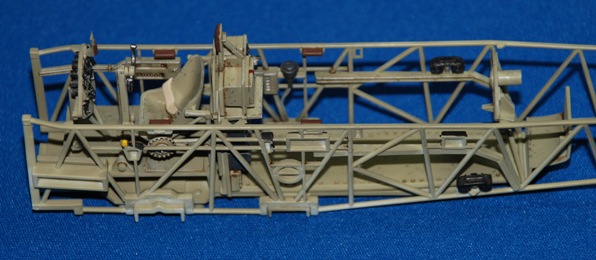
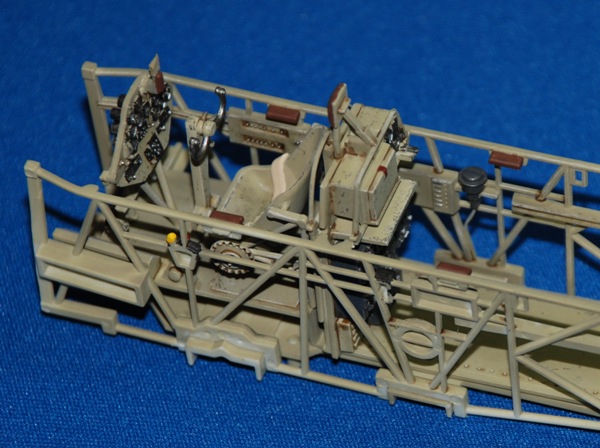
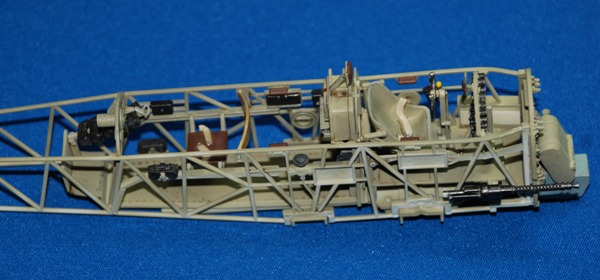
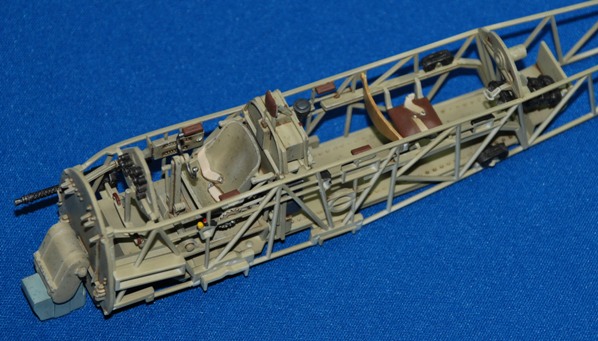
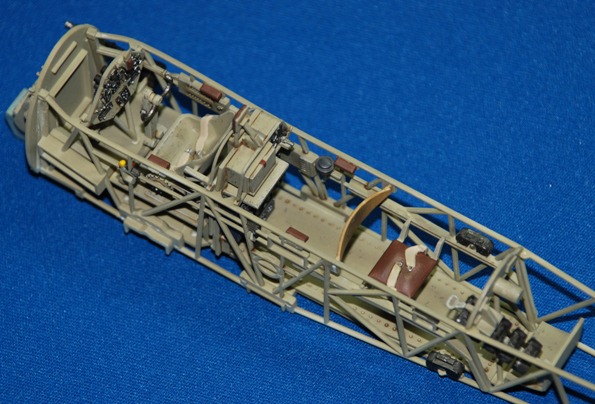
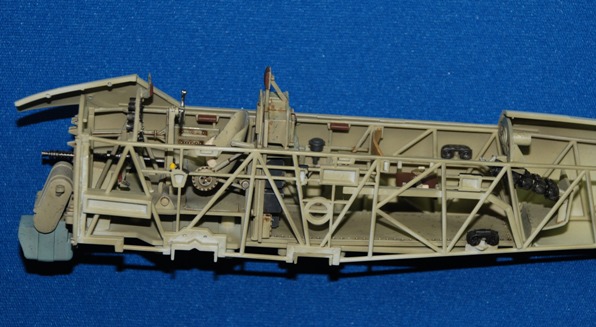
Closing the fuselage…
Very straightforward, but do keep checking the alignment and exact position of the parts before adding glue though as it would be easy to make an error. In particular make sure the cockpit cage sits snug up against the fuselage side wall and under the sill; the front engine fire wall sits completely flush with the front edges of the fuselage and the semi-circular rear wall mount for the rear-facing MG sits snugly under the upper rear fuselage join. The front of the cockpit cage sits in vertical guide rails and when you offer up the cage it becomes apparent where it’s supposed to fit. I used some bulldog clips to hold the cage in place while the liquid poly dried.
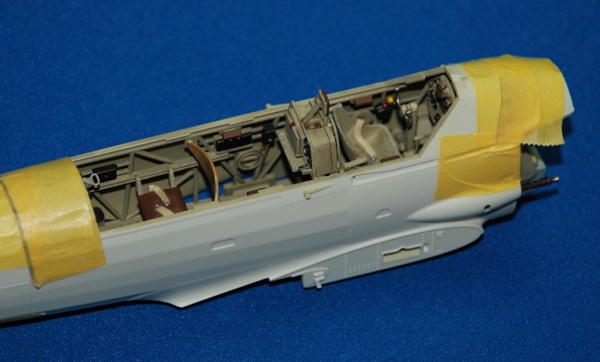
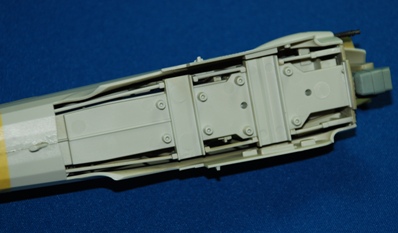 Tamiya tape holds everything together to dry thoroughly at least overnight, but I’ll give it 24-hourse before attempting to sand the joins. I’ve found some join lines stubborn to eradicate if the inside of the join isn’t fully set.
Elevators and things…
While the fuselage sets, attention is now turning to other parts that can be glued and set aside to dry, like the elevators, and that’s where we’ll pick up very soon in my next instalment.
Fuselage joined…
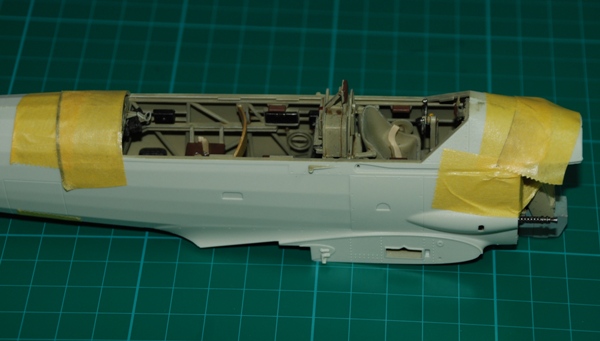
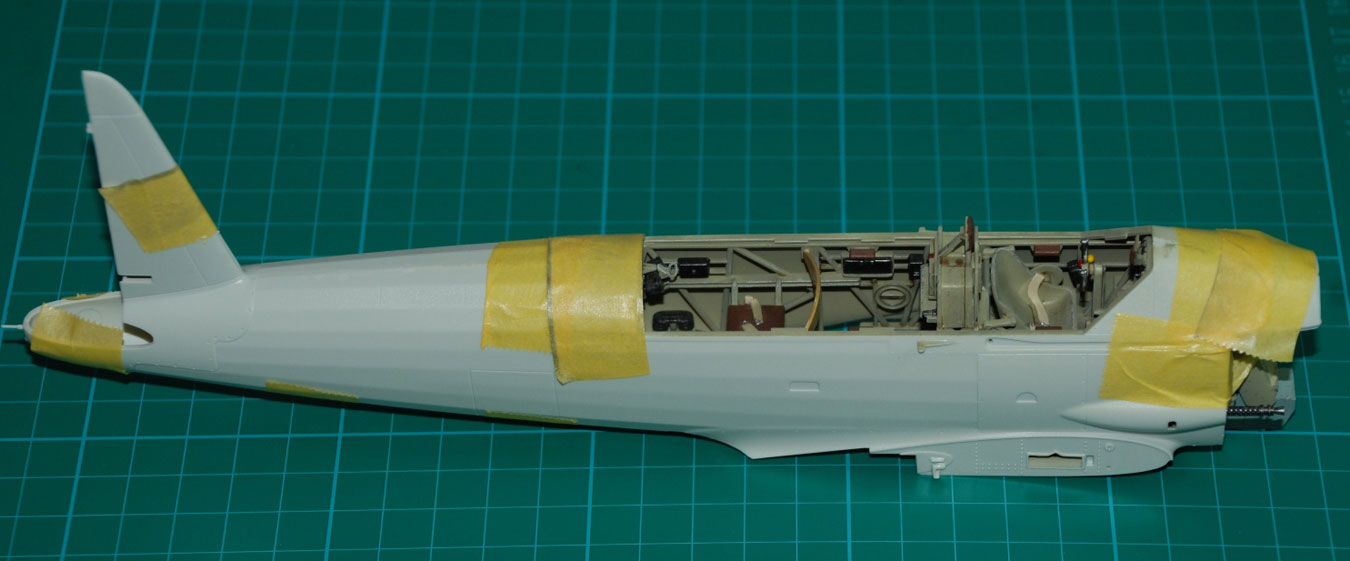
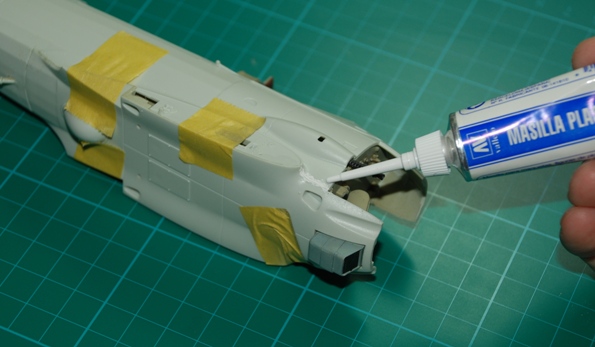
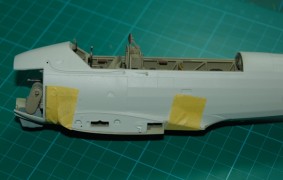 When I left you last time the fuselage was just being joined and the fit is generally good. I did have a stubborn gap that although small refused to close despite some careful ‘adjustment’ with my scalpel and plenty of test-fitting. The only thing left was to get out the Vallejo fine thinner and thanks Bob at MDC for this – what a good filler this is. The best bit is the pointy nozzle that allows you to locate just the right amount of filler where it’s needed and this minimises sanding later and limits potential damage to the surrounding area.