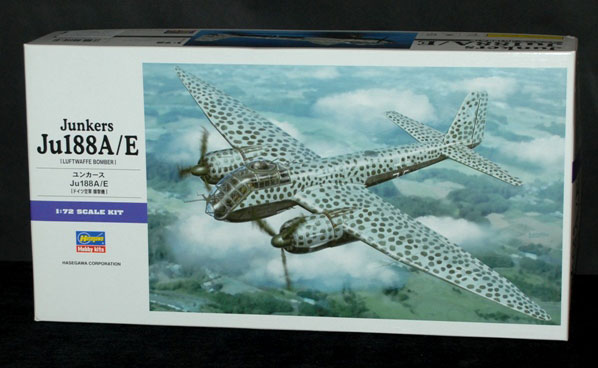
Review by Geoff Coughlin (Jul 2013
A note about this review and “Three in Thirteen”
I’m excited as I write this review because you may well be aware this is not a new kit at all in July 2013 but my motivation comes as my good friend and former RAF Vulcan Display Flight pilot Roger Dunsford is writing the wartime record of Joseph Singleton DFC, DSO. Joe was a night fighter Ace from WWII and one extraordinary claim he (and his radar operator/navigator W.G (Geoff) Haslam) has is that he shot down 3 Junkers Ju 188 Pathfinder aircraft in 13 minutes on the night of 19-20 March 1944 over the North Sea near Cromer. This success almost certainly meant that the planned attack on Hull was foiled. Not only that but on return to their base at RAF Coltishall both engines seized and or caught fire and JS managed to belly-land his de Havilland Mosquito Mk.XVII and both crew managed to get out and by throwing earth onto the burning engines put out the fire, Joe having re-entered his burning aircraft to turn off switches to minimise further risk of fire and to try to preserve his aircraft.
Wow, what a story and we plan to release 2 books of this and the other wartime exploits of JS, Volume 1 “Three in Thirteen” by the end of 2013 at the latest. Volume 1 will focus on Joe’s wartime record and Volume 2 after that will also feature an additional section featuring at least 2 build projects: one of the Junkers Ju 188E aircraft shot down on this most famous of nights and his own Mosquito Mk.XVII in which he and Geoff Haslam achieved that success. Roger has largely completed the bulk of the work for Volume 1.
We’re particularly excited as we plan to collaborate with a partner who will be creating a decal sheet to enable you to build the aircraft featured in this genuinely extraordinary and heroic story.
Also… as I write the plan is for both the above builds to feature in SMN so you can follow them every step of the way! The models will be in 1:72 scale giving a great boost to this area of Finished Now. That was a difficult decision but, on balance I had to go with the best option in terms of parts, availability and time available.
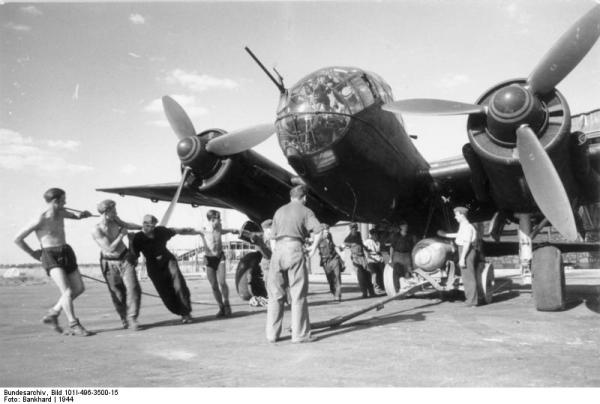
A little bit of info on the Junkers Ju 188 A/E
The Junkers Ju 188 was a German Luftwaffe high-performance medium bomber built during World War II, the planned follow-on to the famed Ju 88 with better performance and payload. It was produced only in limited numbers, due both to the presence of improved versions of the Ju 88, as well as the deteriorating war condition and the resulting focus on fighter production.
The Ju 188 was designed to be fitted with either the 1,750 PS (1,290 kW, 1,730 hp) Jumo 213A or 1,700 PS (1,250 kW, 1,680 hp) BMW 801 G-2 engines without any changes to the airframe. It was originally intended that both would be known as ‘A’ models, but the naming was later changed: the Ju 188A model powered by the 213, and the Ju 188 E by the 801.
The first three production Ju 188 E-1 machines were delivered with the BMW engines in February 1943, another seven in March, and eight in April. A conversion testing unit was formed up in May, and after testing was attached to an operational unit, with the first mission, an attack by three Ju 188E-1s on a factory in Lincoln, Lincolnshire taking place on 18 August 1943. By the end of the year, 283 Ju 188s had been delivered (including Ju 188Fs), and two new factories were added to the production effort. Most operational machines differed from the prototypes only in having a 20 mm MG 151/20 cannon in the nose and dorsal turrets in place of the 13 mm (.51 in) MG 131. The MG 131 I was intended to be used in the Ju 188 E-1 or the G-2. But the heavy armament in the A and E series was the MG 151/20. The Ju 188 E-2 was built as a torpedo-bomber, but was identical to the Ju 188 A-3.
Some 500 Ju 188 A and E variants were built up until the summer of 1944, when production ceased.
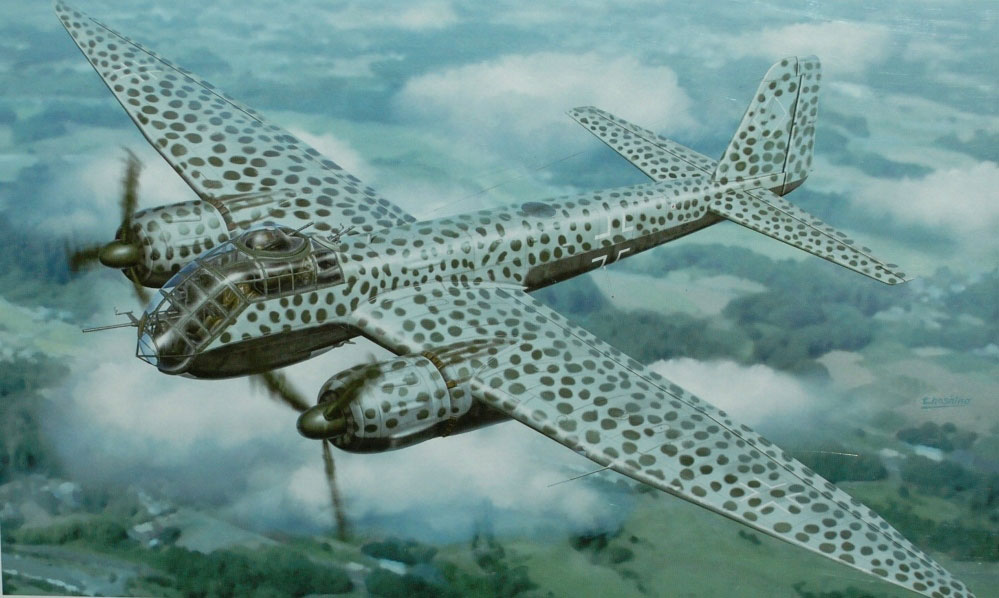
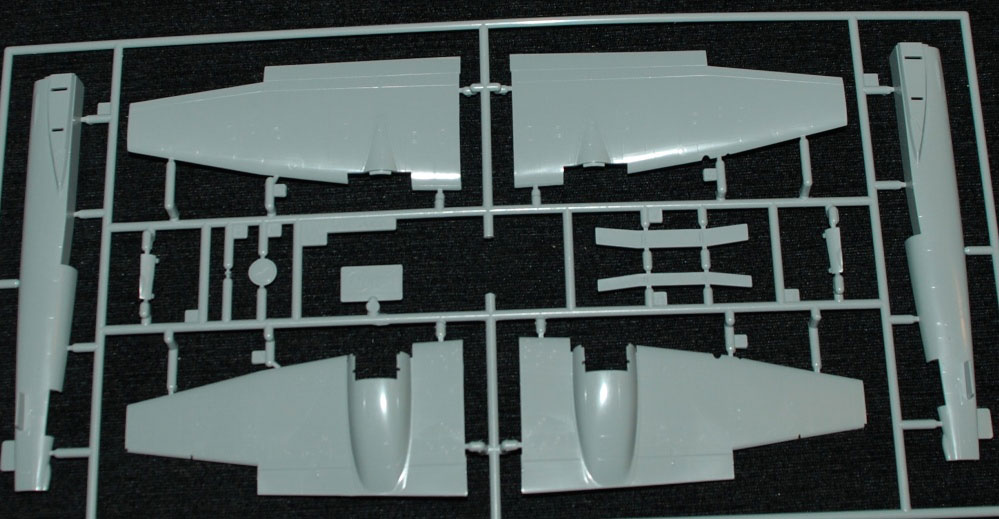
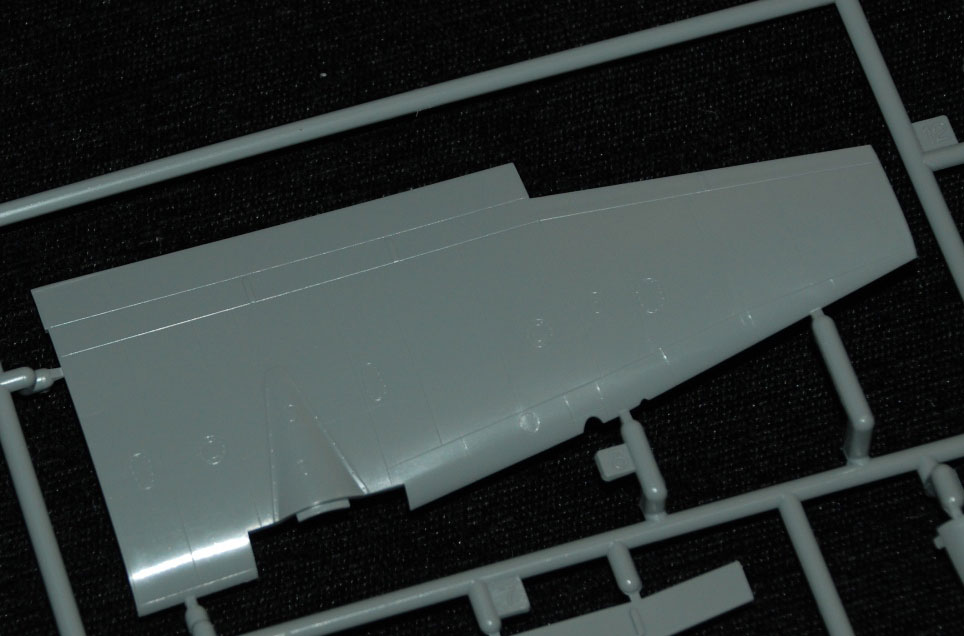
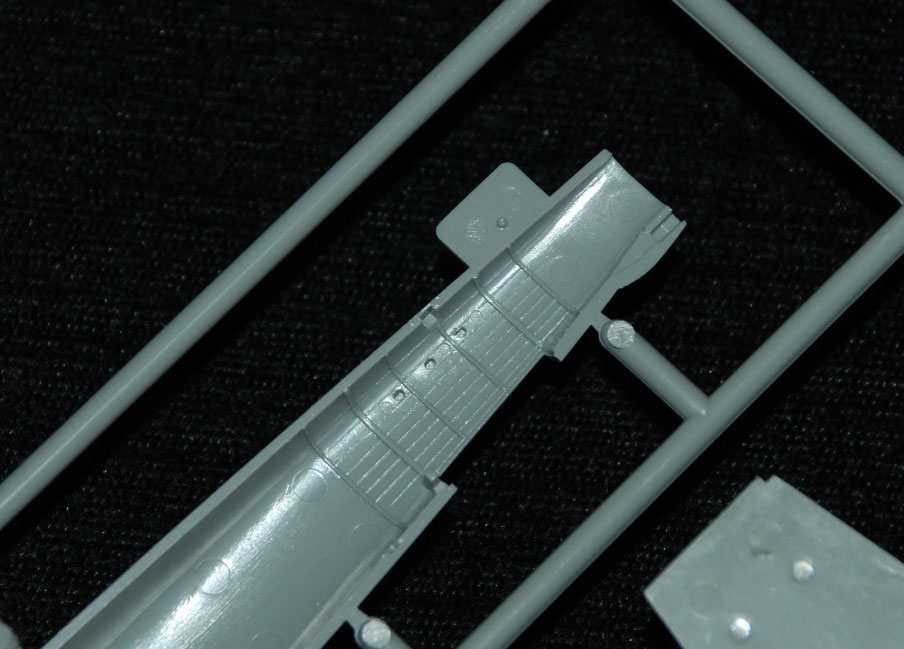
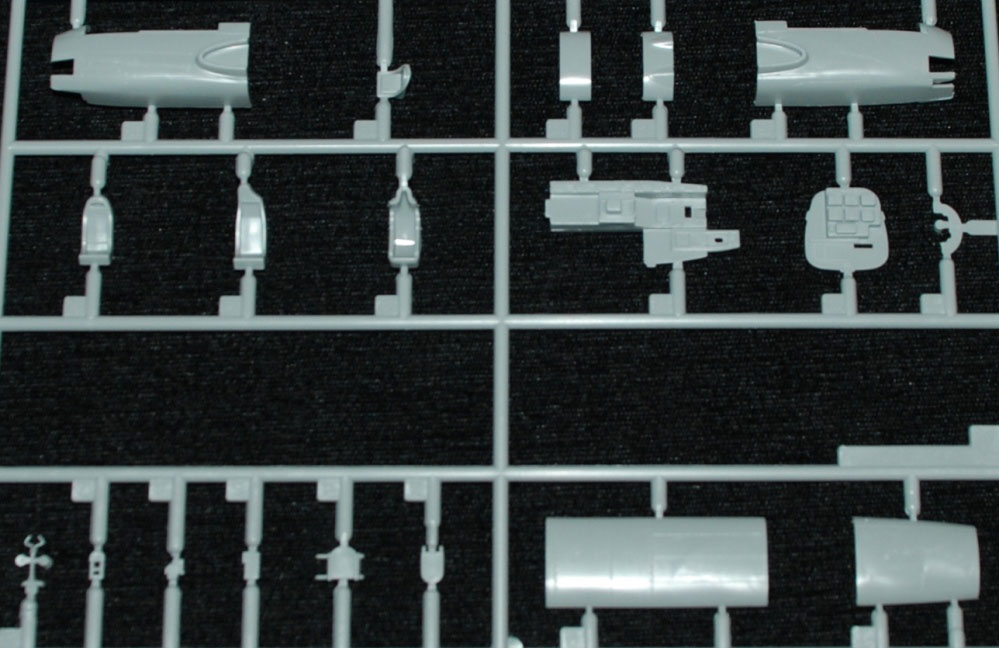
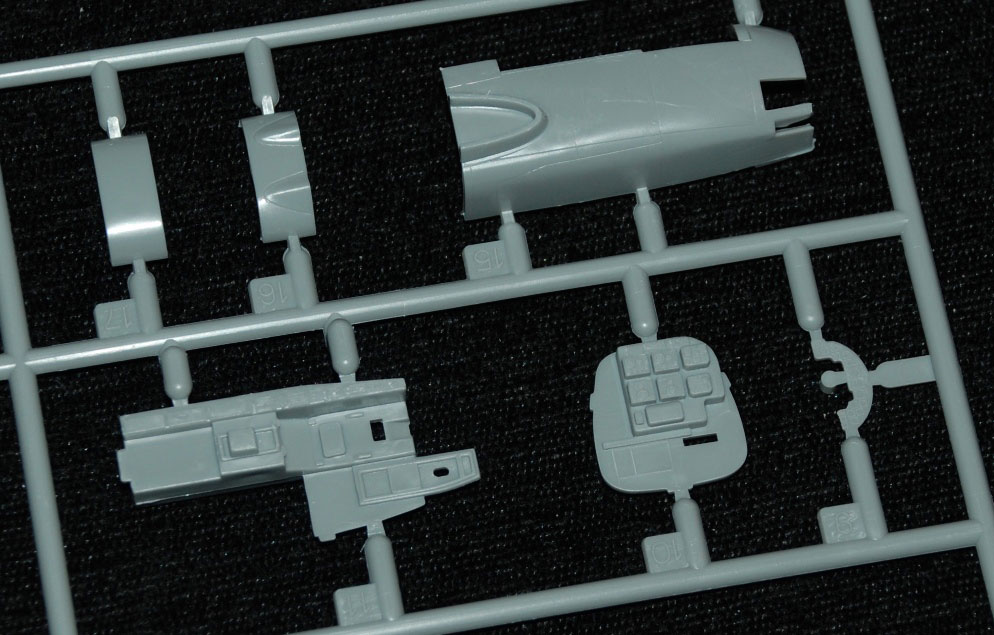
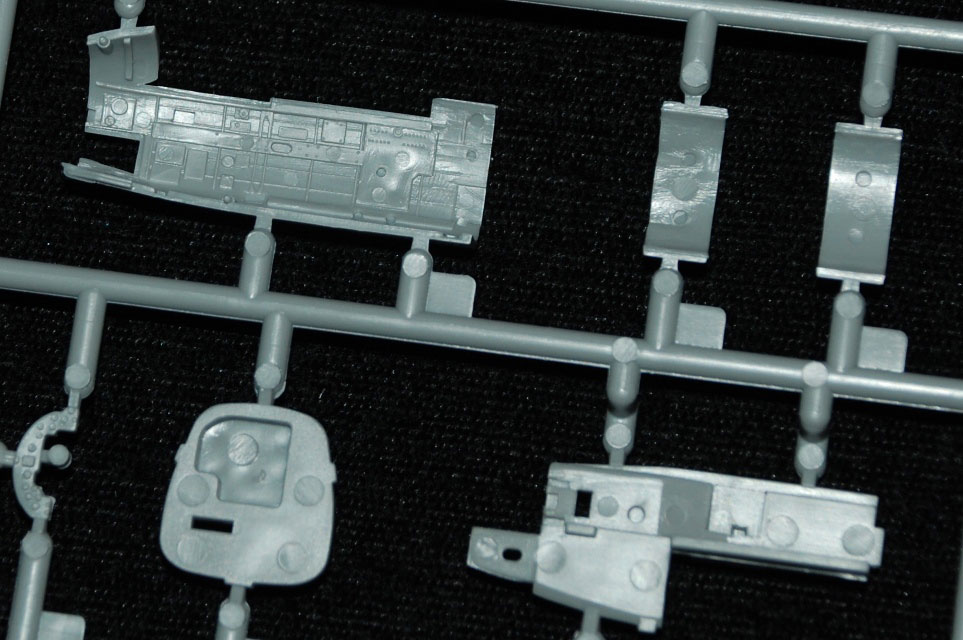
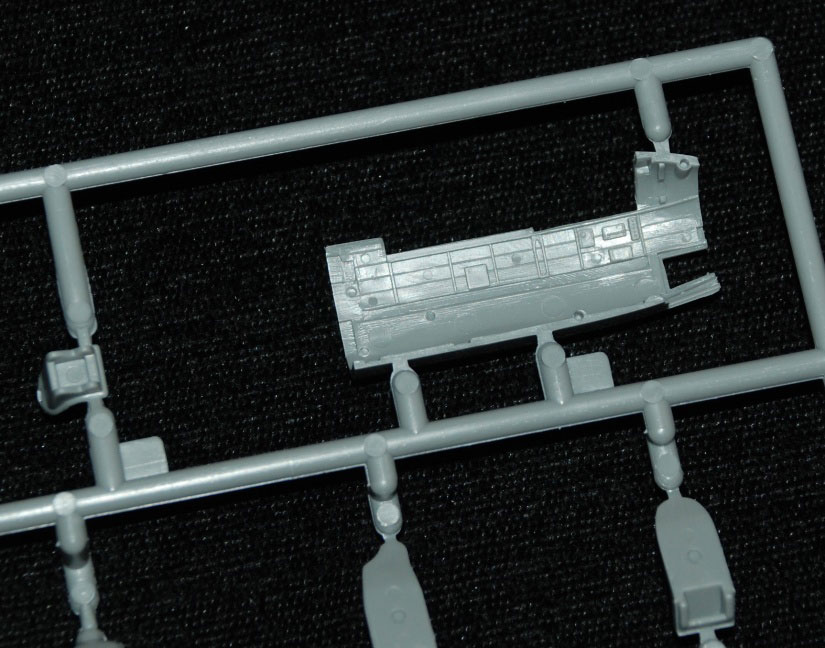
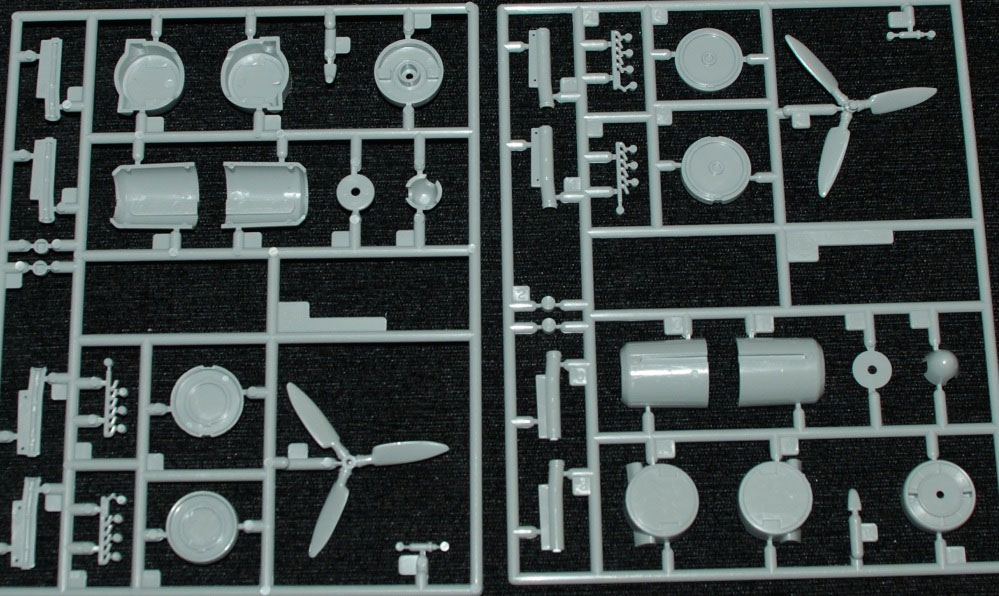
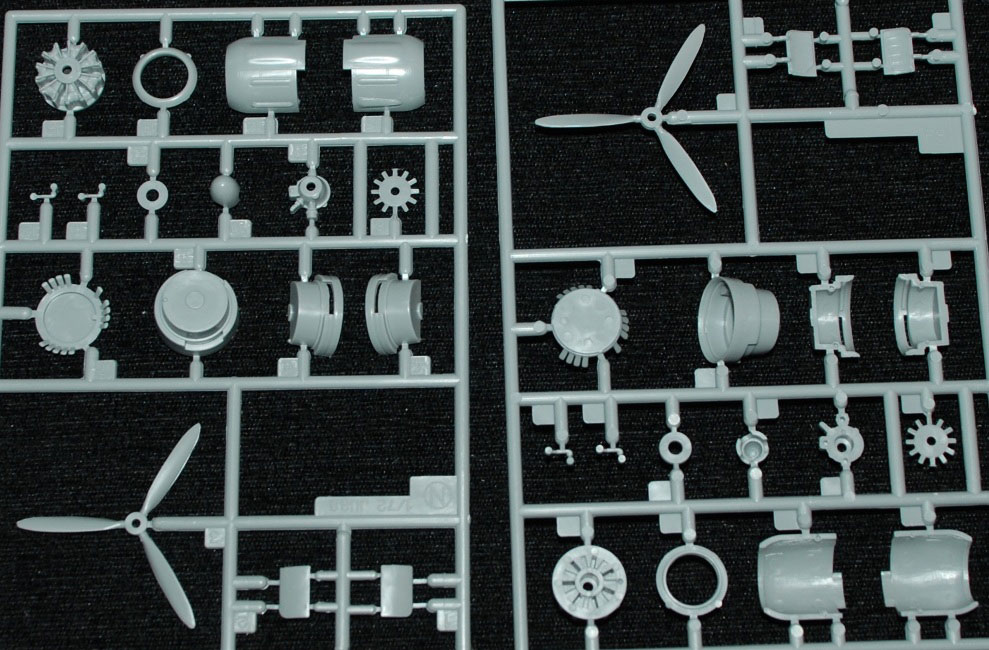
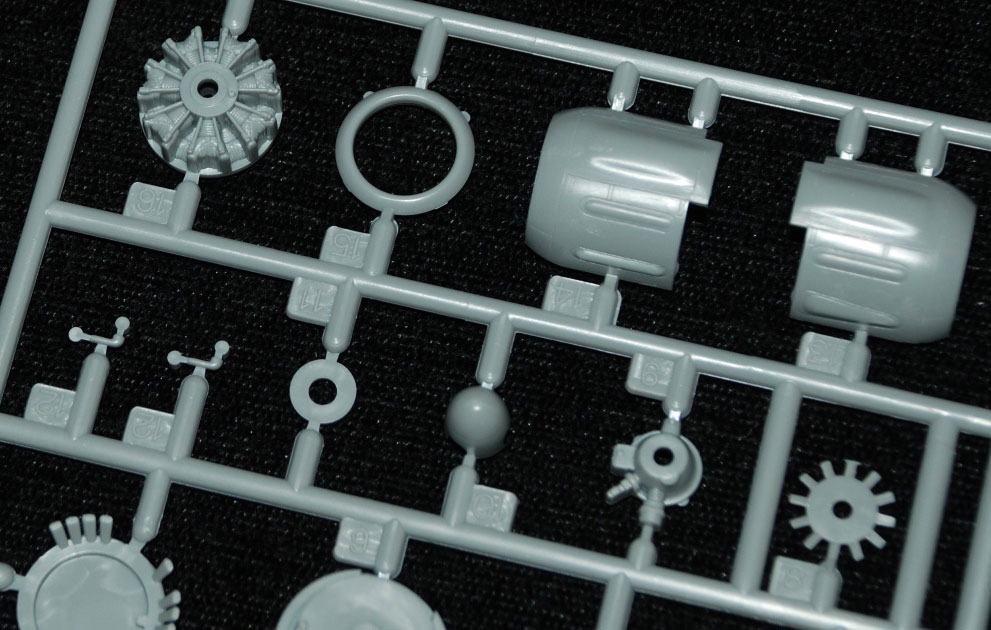
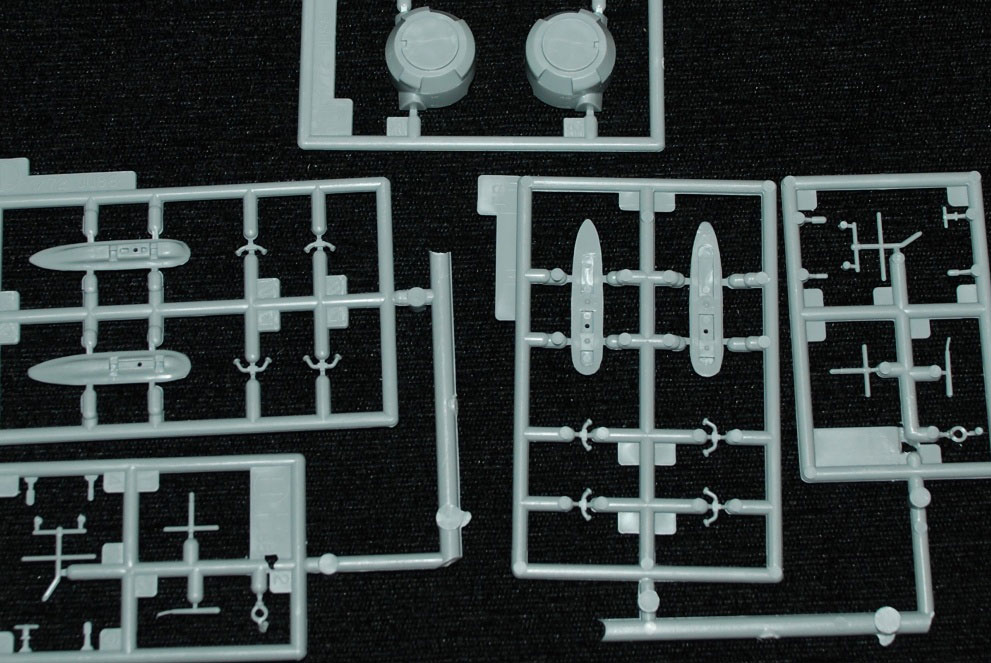
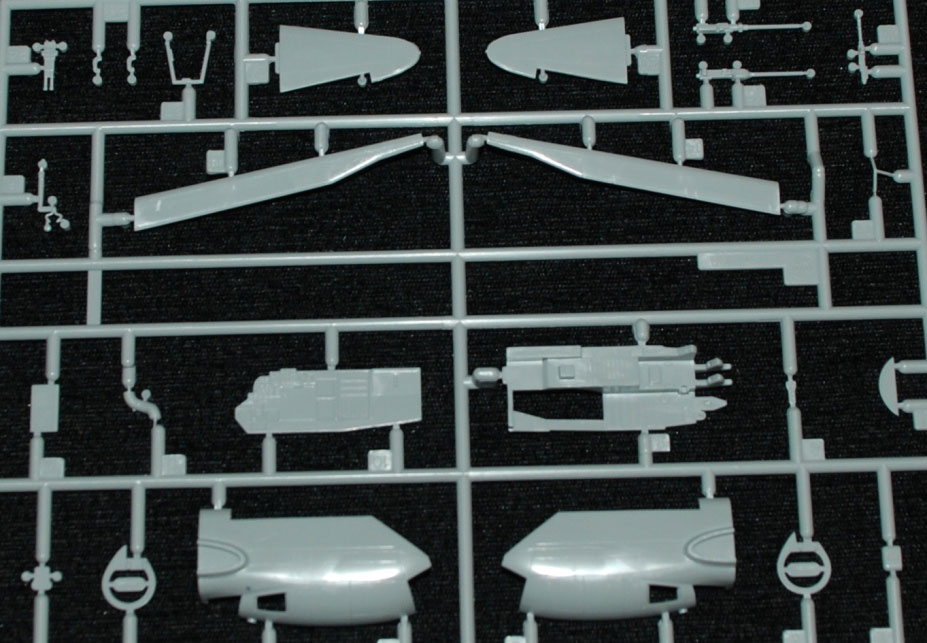
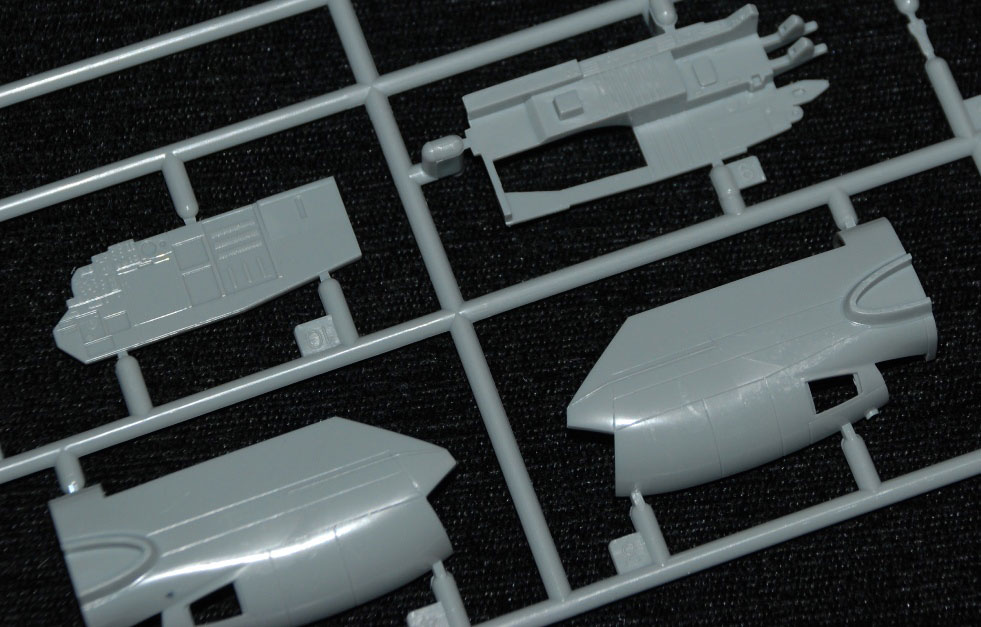
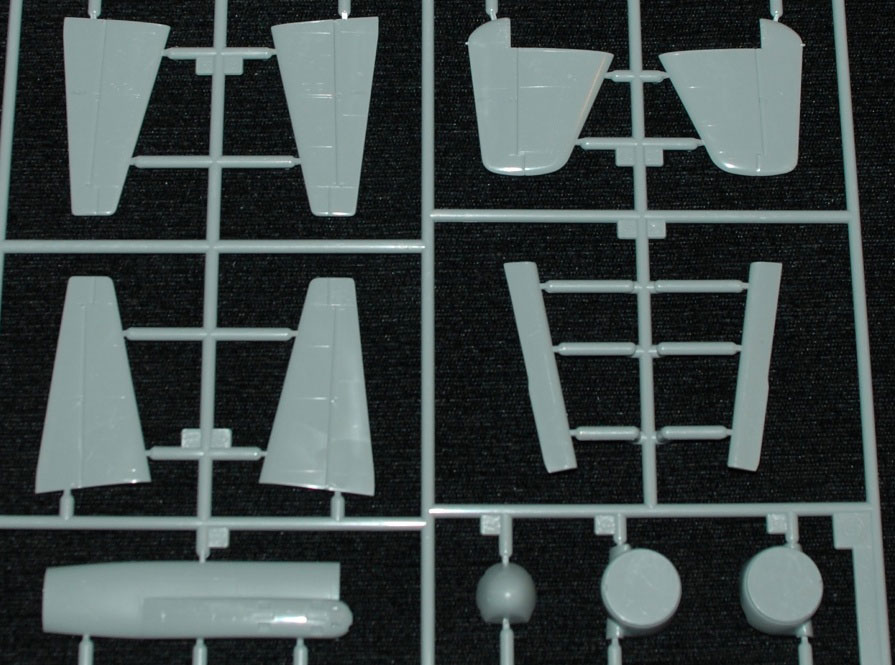
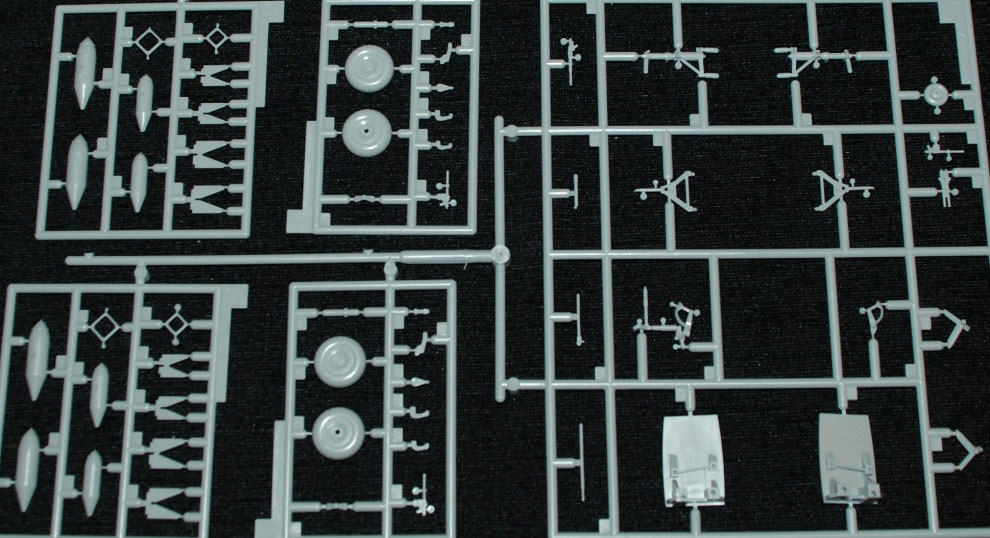
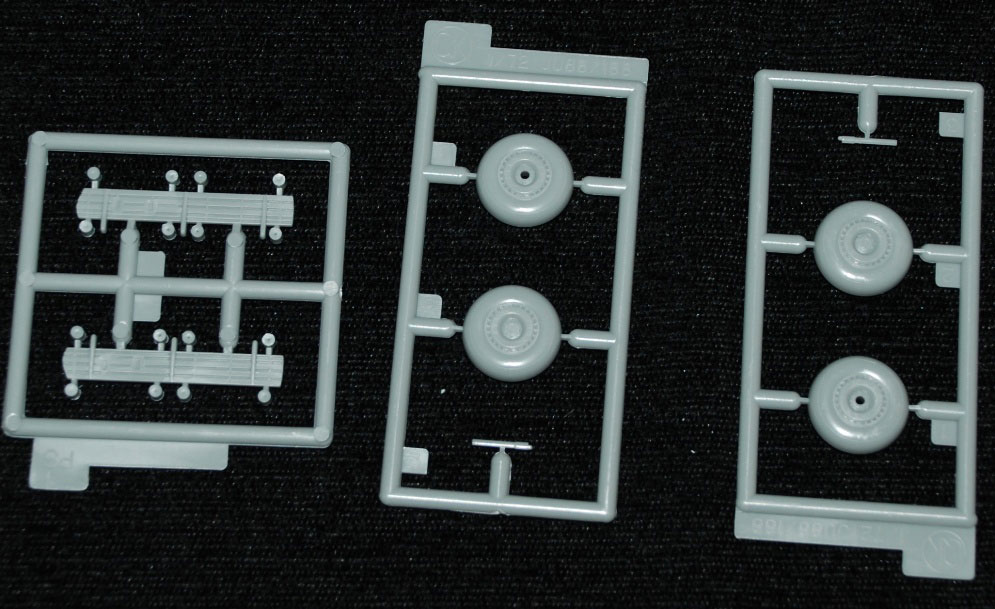
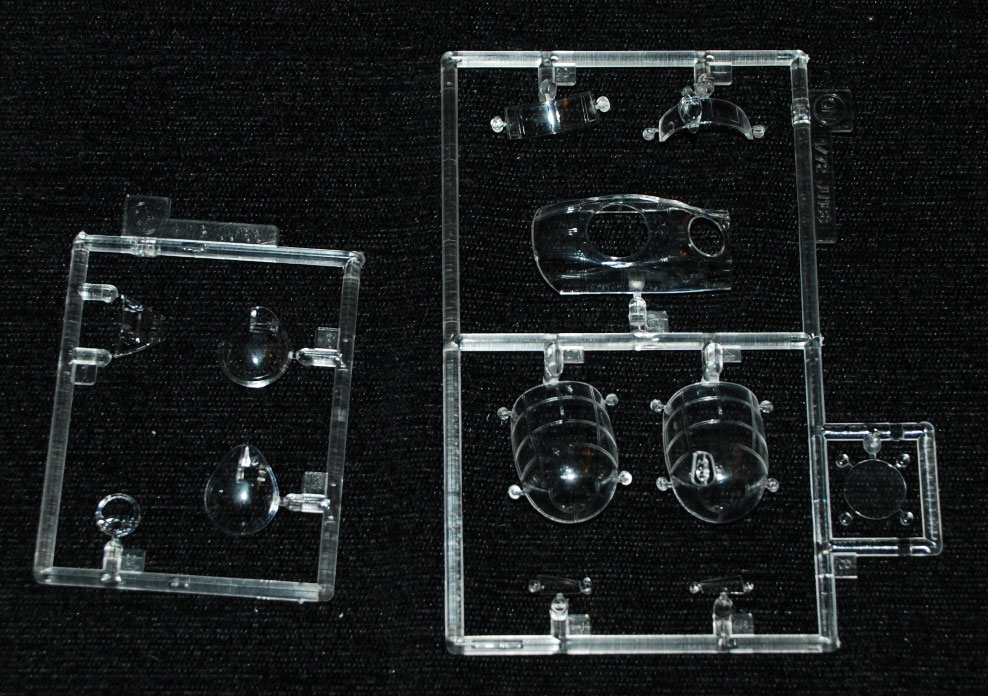
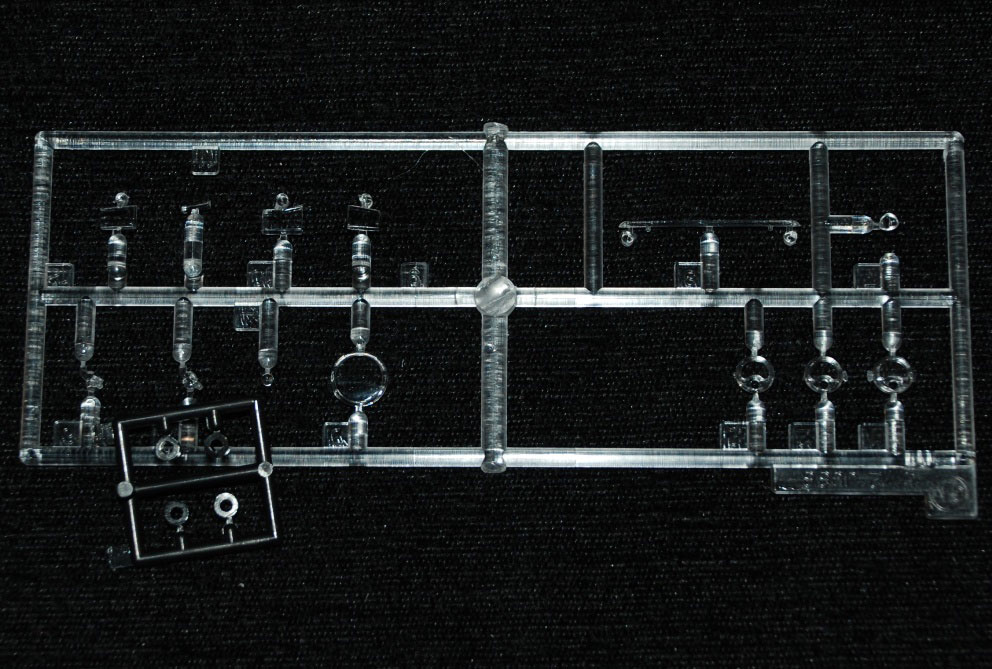
The Hasegawa kit
The Hasegawa kits of both the Junkers Ju 88 and Ju 188 are good quality and well detailed, building into good replicas of the original. Much of the Ju 88 kit is provided in this Ju 188 release and the external differences are limited – the main difference as you may have read above being that the Ju 188A model powered by the 213 (with more angular leading edge to the engine cowl), and the Ju 188 E by the 801 (more rounded leading edges).
A separate sprue is included that has the parts you’ll need for a Junkers Ju 188 and you also get the different engine cowls / exhaust arrangement for either the ‘A’ or ‘E’ models. Pretty much all the other Ju 188 parts are applicable to either version (as far as I am aware).
Cockpit
This is well detailed with plenty of raised moulded detail that will look good under painting and weathering although some of this detail is now a little ‘soft. So you may choose to add the decals provided for the main instrument panels and given the scale I am likely to go this way – we’ll see in the build. As you can see, the canopy is a huge greenhouse affair on the Ju 188, slightly less so with the standard Ju 88 and this means much of your handiwork will be on show – great!
Main components
The immediate impression I have is of a classic, well-tooled Hasegawa kit featuring fine recessed panel lines that are good for the scale. The grey plastic is a little hard and brittle but I like that as cleaning up is easier in my opinion and joins are easier to ‘lose’ when using cyano to fill any gaps.
Undercarriage units
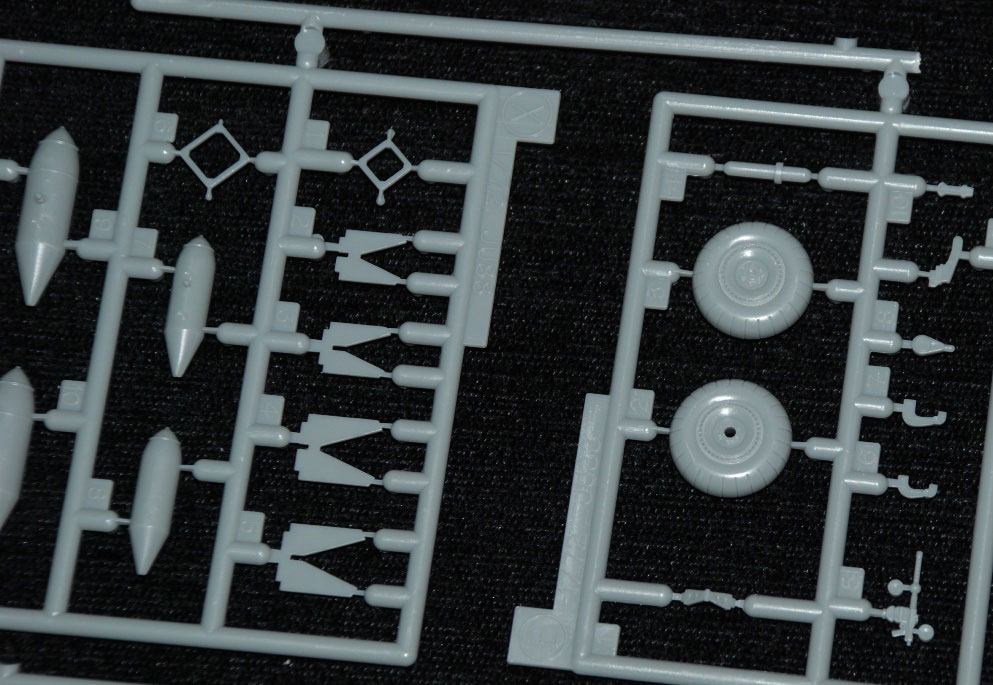
These look to be well detailed and as the original items are quite simple they look fine to me in 1:72 scale here. Two different tyre/wheels are on offer depending on the actual aircraft you want to model. The Ju 188 looks to have been fitted with smooth tyres rather than the treaded items seen on many Ju 88s.
Guns
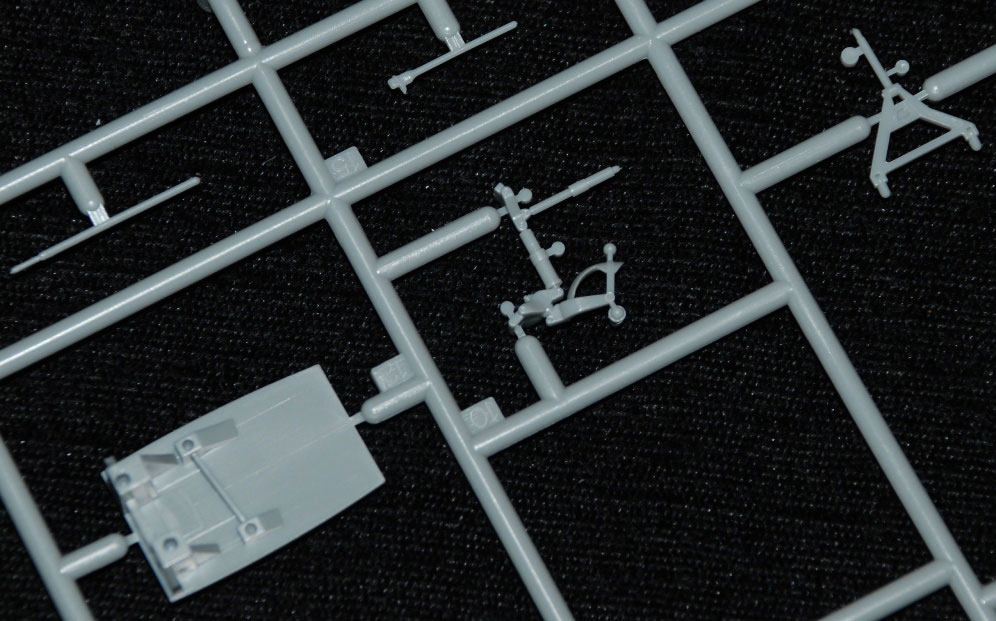
All the various MGs are supplied, including the large forward-facing MG fitted into the nose glazing – clearly not a good idea to attack from the front. In fact Joe and Geoff attacked all three Ju 188s from the rear or rear three-quarter angle in their Mosquito Mk.XVII.
Stores
These come in the form of bombs: 2 X SC 250 and 2 X SC 500 these attach to racks supplied for under their inner wing stations.
Clear parts
Having seen several models now on the internet most of those have decent glazing and so this leads me to suspect that despite the complexity of the Ju 188s canopy design all should be well when it comes to fitting – again, we’ll see.
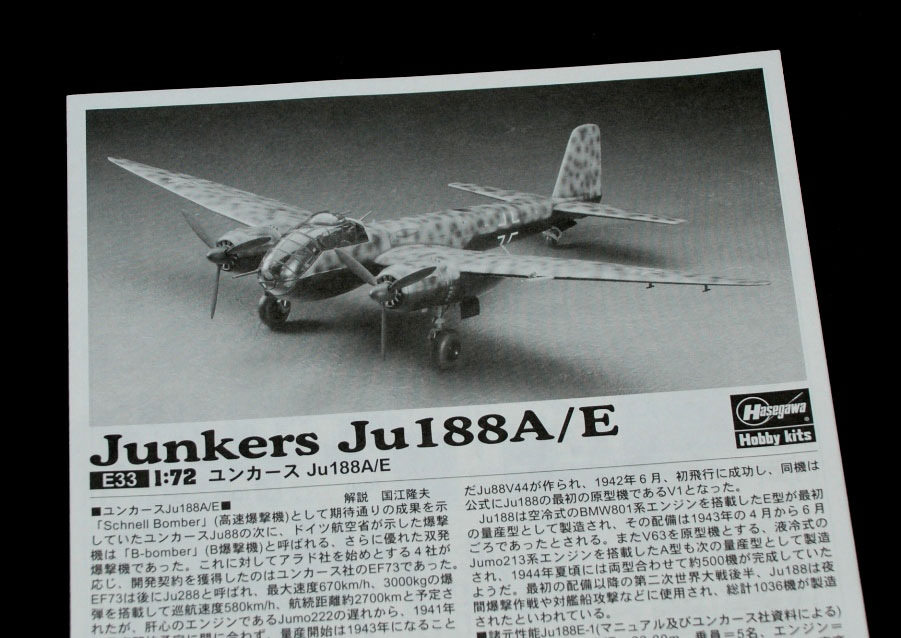
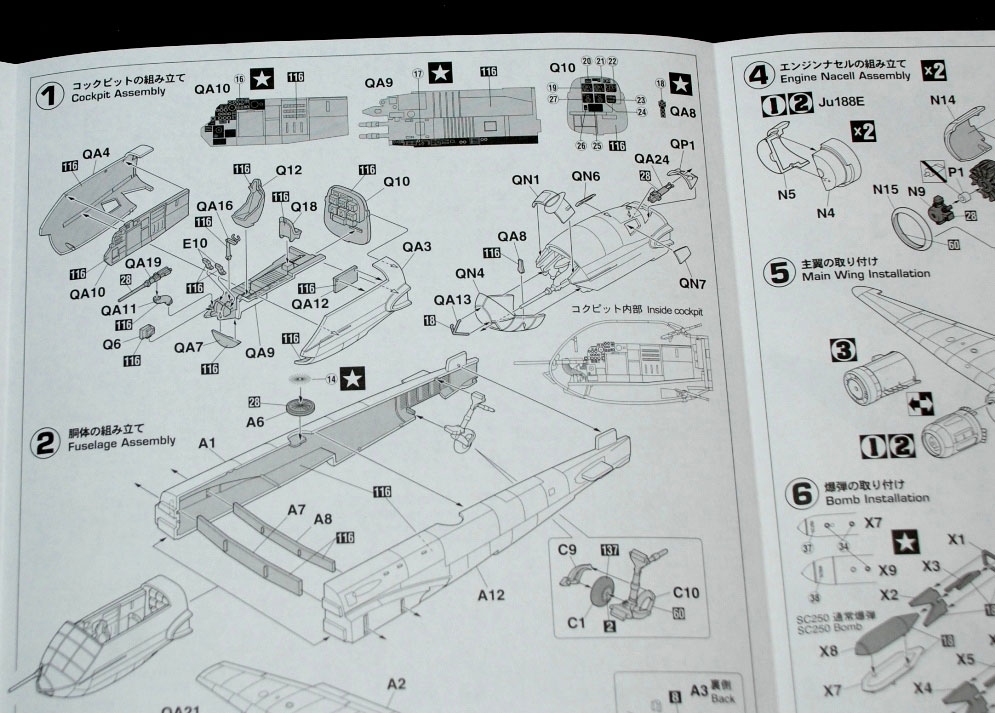
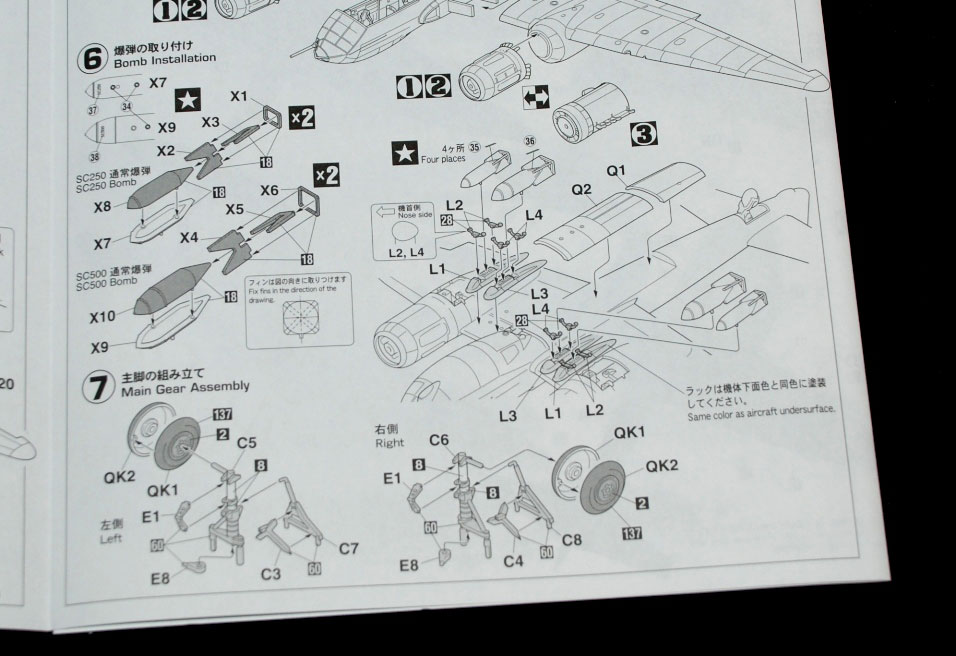
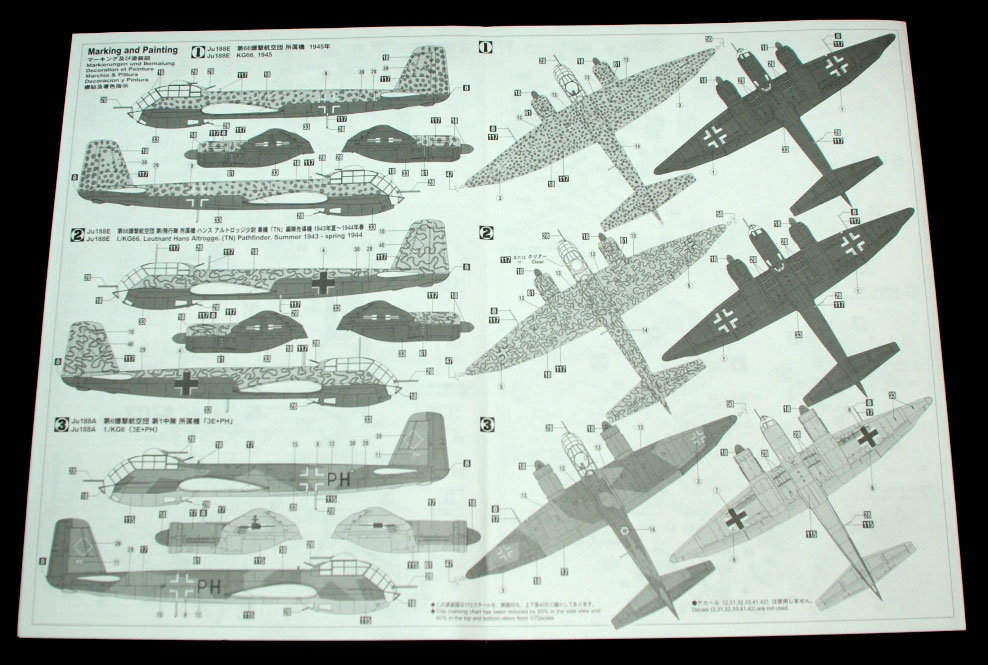
Decals and instructions
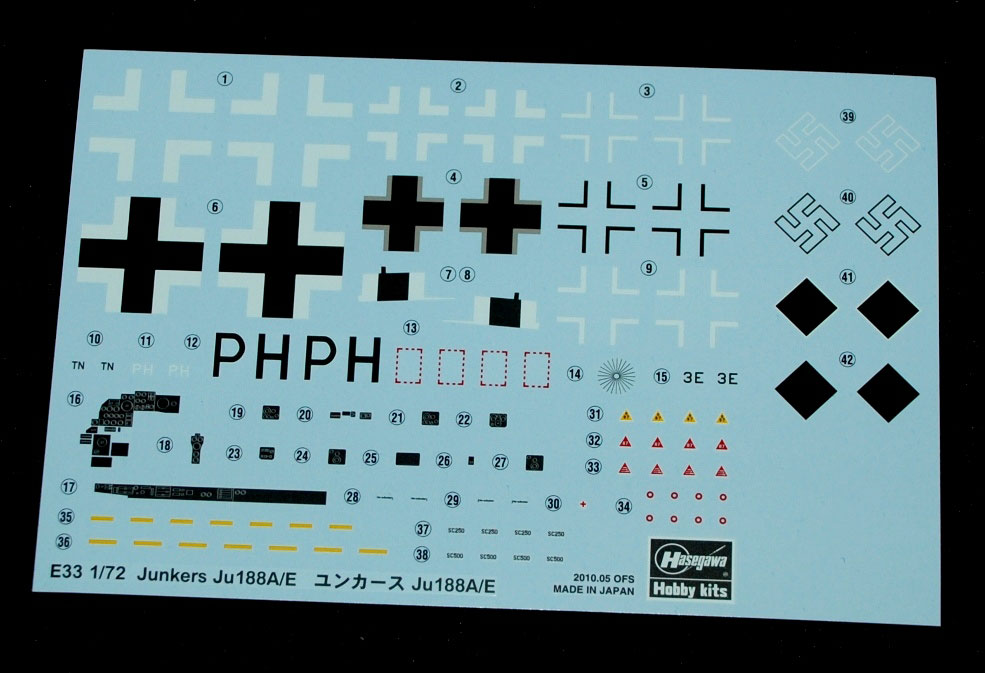
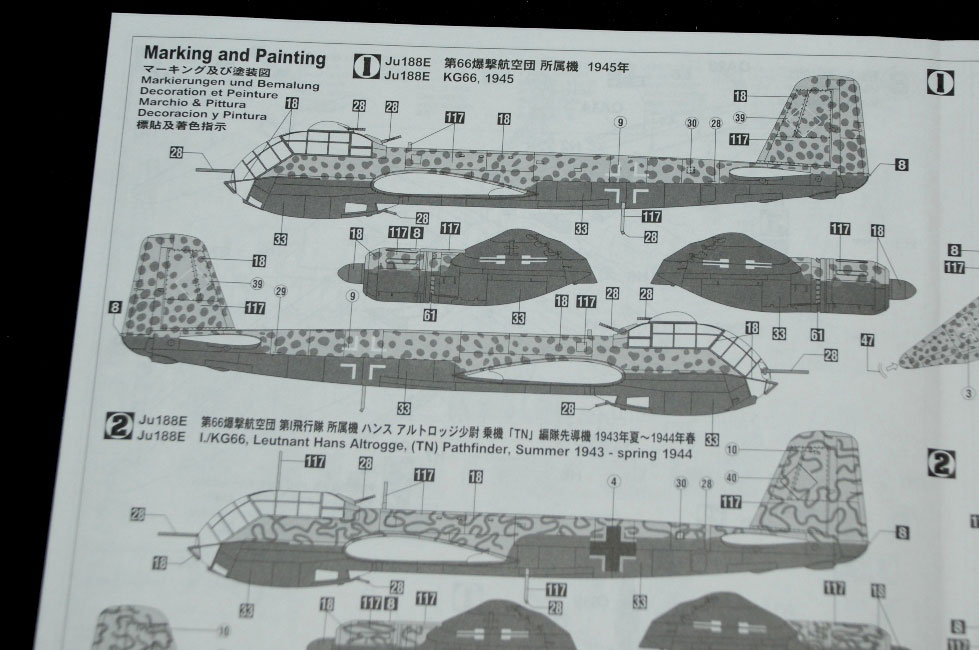
The decals cover 2 ‘E’ Ju 188s and one Ju 188 ‘A’, all with very different colour schemes and markings. I’m about to start trying to identify what the most likely scheme was applied to the 2./KG.66 Pathfinder aircraft in March 1944 – one of which I want to try and model for Volume 2 of “Three in Thirteen” (see above) but it looks like Option 2 for an aircraft of I./KG.66 could provide a clue – I’ll say much more about this in the book and forthcoming build.
The decal sheet provides good quality markings albeit they seem a little thick on the sheet and so I am very inclined to use aftermarket items that will be much thinner and ideal for use on a 1:72 model.
The instruction sheet is logical and well laid out, making it clear what parts are applicable for each option included in the kit.
Geoff C.
SMN Quick summary Star rating out of 5
| FEATURE | STAR RATING (out of five) |
|---|---|
| Quality of moulding | **** |
| Accuracy | **** |
| Instructions | **** |
| Decals | *** |
| Subject choice | **** |
| Overall | **** |